Essential Tips for Selecting the Right Suppliers for Custom Manifold Solutions
Understanding Custom Manifold Solutions
What are Custom Manifolds?
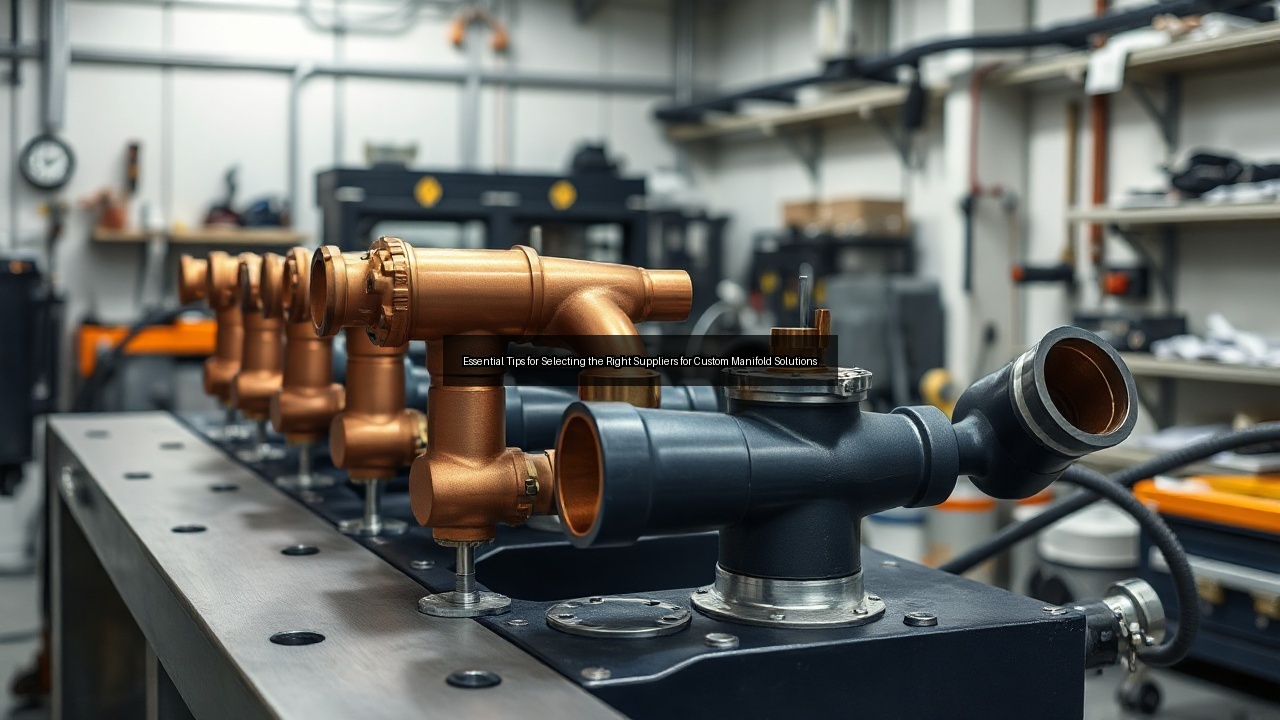
Custom manifolds serve as central hubs that route fluid or gas through complex systems with precision. Engineers design these blocks to integrate multiple valves, ports, and passages into a single unit, reducing leaks and improving flow efficiency. Unlike standard off-the-shelf options, custom manifolds match exact specifications for pressure ratings, port sizes such as NPT and SAE, and connection types including ball valves. Manufacturers machine them from materials like brass, aluminum, or stainless steel to handle demanding conditions. This approach supports everything from hydraulic circuits to pneumatic controls. Companies searching for custom manifold solutions benefit when suppliers understand fluid dynamics from the start, avoiding costly redesigns later. Custom manifolds streamline assembly and maintenance across applications that require reliable distribution.
Applications of Custom Manifolds in Various Industries
Industries rely on custom manifolds for efficient fluid power management. Hydraulic systems in construction equipment use them to control multiple actuators from one compact block. Pneumatic setups in manufacturing plants distribute compressed air without excessive tubing. Aerospace projects demand lightweight aluminum manifolds that withstand extreme pressure and temperature swings. Oil and gas operations deploy stainless steel versions for corrosive environments, while mining and agriculture equipment benefits from durable brass options that resist wear during material handling. Custom manifold design also appears in medical devices and automotive testing rigs. Searches for custom intake manifolds often point to engine work, yet fluid power manifolds focus on pressure regulation and valve integration instead. These solutions cut downtime and boost overall system performance in every sector.
Key Factors to Consider When Selecting Suppliers
Expertise in Manufacturing and Design
Strong suppliers demonstrate deep knowledge in both manufacturing and design phases. They employ engineers who translate customer requirements into functional manifold layouts using CAD software and simulation tools. This expertise covers port placement, internal flow paths, and integration of valves for hydraulic or pneumatic use. Experienced teams avoid common pitfalls like dead zones that trap fluid or create pressure drops. They also optimize for heat dissipation in high-duty cycles common to mining and oil and gas work. When evaluating suppliers, request examples of past custom manifolds that handled similar pressure levels and material challenges. Solid design capability ensures the final product performs reliably from day one and scales with future needs.
Material Selection: Brass, Aluminum, Stainless Steel
Material choice directly affects manifold durability and compatibility. Brass offers excellent corrosion resistance and machinability for moderate pressure applications in agriculture and construction. Aluminum provides weight savings critical for aerospace and mobile hydraulics without sacrificing strength. Stainless steel excels in harsh chemical or high-temperature settings found in oil and gas and mining. Suppliers should guide material selection based on fluid type, operating pressure, and environmental exposure. They maintain stock of certified grades and explain trade-offs in cost versus longevity. Proper material decisions prevent premature failure and support leak-free operation over years of service across diverse industries.
Understanding of Fluid Dynamics and Pressure Requirements
Suppliers must master fluid dynamics to size passages and ports correctly. They calculate flow rates, pressure drops, and velocity limits to prevent cavitation or excessive heat buildup. Accurate modeling ensures custom manifolds meet peak demands in hydraulic circuits without oversized components that waste space and energy. Knowledge of valve placement further optimizes response times in pneumatic systems. Providers who test prototypes under real pressure conditions deliver superior results for aerospace and fluid power projects. This expertise translates into efficient designs that lower operating costs and extend equipment life in agriculture, mining, and material handling operations.
Evaluating Supplier Credentials and Capabilities
Industry Experience: Hydraulic, Pneumatic, and Aerospace
Proven experience across hydraulic, pneumatic, and aerospace fields signals supplier reliability. Firms with hydraulic backgrounds understand high-pressure valve integration and manifold mounting for heavy equipment. Pneumatic specialists optimize air distribution for automation lines. Aerospace work requires strict traceability and lightweight construction under extreme conditions. Review case studies that cover similar pressure ranges and certifications. Seasoned suppliers adapt designs quickly for oil and gas or mining environments where vibration and contamination pose constant threats. Their track record reduces risk and accelerates project timelines from concept to installation.
Certification and Compliance Standards
Certifications confirm adherence to quality and safety benchmarks. Look for ISO, SAE, and industry-specific approvals that cover material traceability and pressure testing. Compliance with NPT and other port standards guarantees interchangeability with existing components. Aerospace suppliers often hold AS9100 certification, while hydraulic manufacturers follow strict cleanliness protocols. These credentials protect against failures in critical applications like fluid power systems used in agriculture and construction. Request documentation during evaluation to verify ongoing compliance rather than one-time achievements.
Inventory Management and Lead Times
Efficient inventory management keeps lead times predictable. Top suppliers stock common materials such as brass, aluminum, and stainless steel plus standard valves and fittings. They use real-time tracking systems to forecast demand and maintain buffer stock for urgent custom manifold orders. Clear communication on production schedules helps clients plan installations around mining or oil and gas shutdown windows. Strong inventory practices also support rapid prototyping, cutting weeks off development cycles. Reliable delivery builds trust and prevents costly project delays.
Ensuring Quality and Reliability in Custom Manifolds
Importance of Warranty and After-Sales Support
Comprehensive warranties protect investments in custom manifolds. Reputable suppliers back their work with coverage for material defects and workmanship for several years. After-sales support includes technical assistance for installation, troubleshooting, and replacement parts. This service proves vital when hydraulic or pneumatic systems operate in remote mining sites or agricultural fields. Clear warranty terms paired with responsive engineering help resolve issues fast and maintain uptime. Clients gain confidence knowing suppliers stand behind pressure-rated assemblies long after delivery.
Testing for Leak Prevention and Durability
Rigorous testing eliminates leaks and confirms durability. Suppliers perform hydrostatic pressure tests, helium leak checks, and cycle testing on every custom manifold. They simulate operating conditions including heat cycles and vibration common to aerospace and fluid power environments. Results verify that valves seat properly and passages remain clear under full load. Documentation of these tests provides proof of quality before shipment. Thorough validation reduces field failures in oil and gas pipelines or construction machinery where downtime carries high costs.
Reviews and Recommendations from Other Clients
Client feedback reveals real-world performance. Search reviews on industry forums and request references from similar projects in hydraulics, pneumatics, or agriculture. Positive comments about on-time delivery, design accuracy, and leak-free operation indicate strong suppliers. Negative patterns around communication or quality control warrant caution. Direct conversations with past customers uncover insights on how well manifolds held up under sustained pressure and temperature extremes. This step validates claims before committing to large orders.
Leveraging Technology and Innovation in Custom Manifold Solutions
Utilizing Advanced Tools for Design and Prototyping
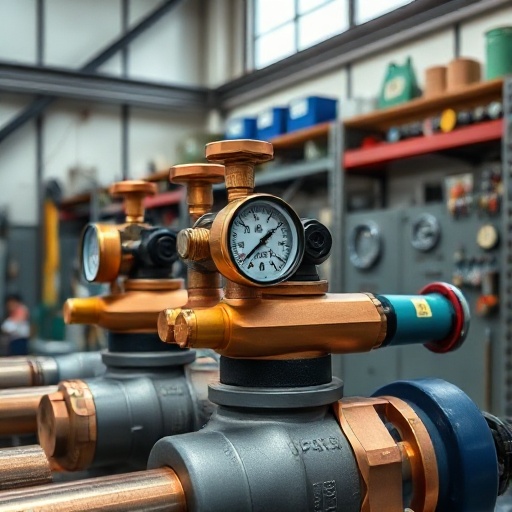
Modern suppliers leverage advanced tools for faster, more accurate manifold development. 3D printing creates functional prototypes in days, allowing quick validation of flow paths and port layouts. CFD software models fluid dynamics to optimize pressure distribution before machining begins. These tools integrate with CNC equipment for precise production of complex internal geometries in aluminum or stainless steel. Clients benefit from shorter design cycles and fewer revisions. Advanced capabilities prove especially valuable for aerospace and custom manifold applications requiring tight tolerances.
Incorporating Latest Trends in Fluid Power Engineering
Forward-thinking suppliers adopt trends that improve efficiency. Additive manufacturing enables lightweight lattice structures inside manifolds that reduce weight while maintaining strength. Integrated sensors monitor pressure and temperature in real time for predictive maintenance. Modular designs allow easy reconfiguration as system needs evolve in mining or agriculture equipment. These innovations lower energy consumption and extend service intervals. Staying current with fluid power engineering keeps custom manifolds competitive across hydraulic and pneumatic sectors.
Impact of Custom Manifold Design on Efficiency in Oil and Gas, Mining, and Agriculture
Optimized custom manifold design drives measurable efficiency gains. Compact layouts minimize hose lengths and potential leak points in oil and gas installations. Reduced pressure drops cut pump energy requirements in mining hydraulics. In agriculture, lightweight aluminum manifolds improve fuel economy on mobile equipment. Proper valve integration speeds response times during material handling tasks. Overall, thoughtful engineering lowers operating costs and boosts reliability in harsh environments. Suppliers who prioritize these outcomes deliver lasting value to clients across multiple industries.