The Advantages of Using PEEK in High-Temperature Environments
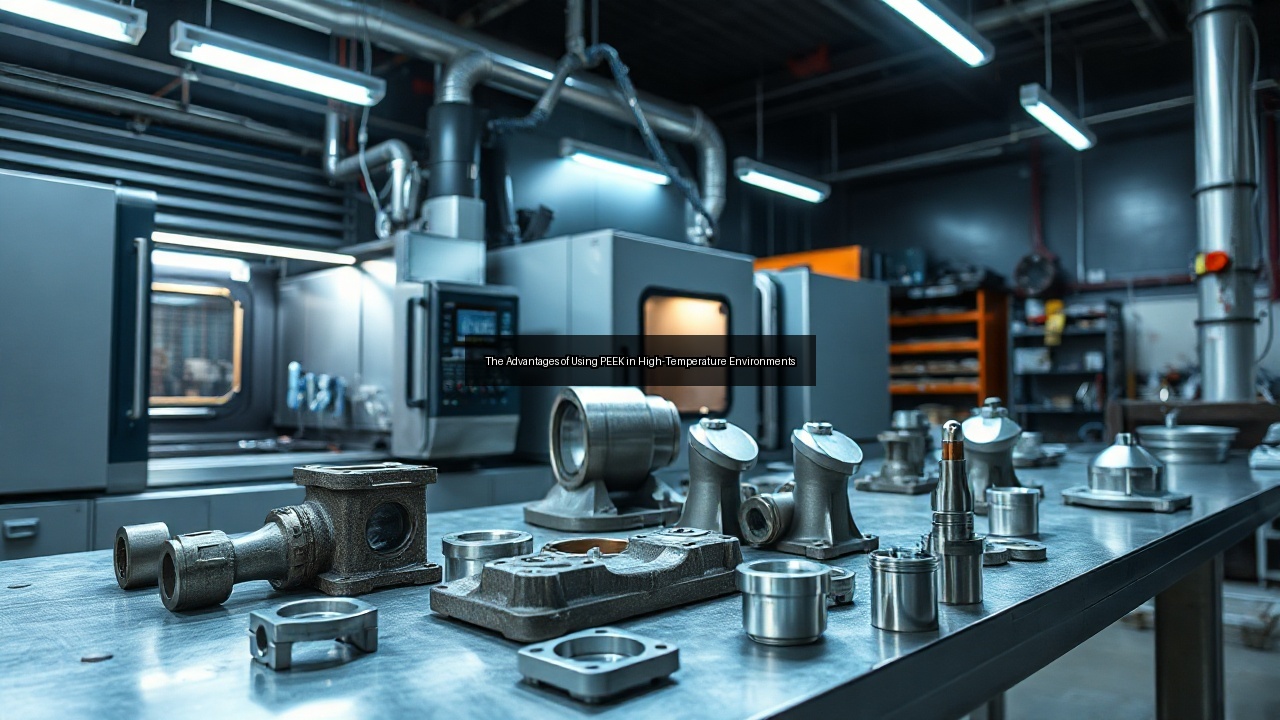
Understanding PEEK and Its Properties
What is Polyether Ether Ketone (PEEK)?
Polyether Ether Ketone, commonly known as PEEK, stands out as a high-performance engineering plastic renowned for its exceptional thermal stability and chemical resistance. This semi-crystalline thermoplastic boasts a high melting point of around 343°C (650°F), making it suitable for demanding applications in high-temperature environments. PEEK’s structure consists of repeating units that provide strength and durability, while its unique molecular composition allows it to maintain mechanical properties even under extreme conditions. Industries increasingly turn to PEEK for parts and components that require resilience, particularly in sectors such as aerospace, automotive, and medical. Its versatility and reliability make PEEK a preferred choice for applications where traditional materials fail to perform.
Key Characteristics of PEEK
PEEK offers a range of key characteristics that underscore its suitability for high-temperature applications. First, its excellent thermal stability allows PEEK to perform efficiently at elevated temperatures without significant degradation. Second, PEEK features outstanding chemical resistance, making it impervious to many solvents and aggressive chemicals. This characteristic enhances its longevity in challenging environments. Third, PEEK exhibits low moisture absorption, which helps maintain its dimensional stability and reduces the risk of warping or distortion over time. Additionally, PEEK possesses impressive mechanical properties, including high tensile strength and stiffness, ensuring that it can withstand significant loads. These attributes collectively position PEEK as a high-performance engineering plastic that meets the stringent requirements of various applications.
Advantages of PEEK as an Engineering Plastic
The advantages of using PEEK as an engineering plastic are numerous. Its ability to endure high temperatures and resist harsh chemicals makes it ideal for manufacturing machined parts that require durability and reliability. PEEK also exhibits excellent wear resistance, which is crucial for components that experience friction and abrasion in operational settings. Moreover, PEEK's low coefficient of friction enhances its performance in moving applications, reducing the risk of wear over time. This plastic's inherent biocompatibility further adds to its appeal in the medical field, where safety and reliability are paramount. Additionally, PEEK's versatility allows for various machining methods, including CNC machining, making it easy to create complex geometries and precise tolerances in machined PEEK parts. Overall, the combination of these properties positions PEEK as a leading material choice for engineers and manufacturers seeking high-performance solutions.
Machining PEEK Parts: Techniques and Considerations
CNC Machining PEEK: An Overview
CNC machining PEEK involves using computer-controlled machines to produce precise components from PEEK material. This method allows for the rapid production of complex shapes and geometries that are often difficult to achieve with traditional machining techniques. CNC machining ensures high accuracy, enabling manufacturers to meet tight tolerances essential for high-performance applications. During the CNC machining process, operators select appropriate tools and cutting speeds tailored to PEEK's unique properties. The choice of tool material, such as carbide, can significantly impact tool wear and the overall quality of the machined PEEK parts. Understanding the specific machining parameters, including feed rates and spindle speeds, is crucial for achieving optimal machining in PEEK results without compromising the integrity of the material. Overall, CNC machining represents a reliable and efficient method for creating high-quality PEEK machined components.
CNC Milling and Turning of PEEK
CNC milling and turning are two primary techniques for machining PEEK into specific shapes and sizes. CNC milling involves removing material from a solid block of PEEK using rotary cutters, allowing for the creation of intricate features, such as pockets and contours. Precise control over the cutting depth and feed rate ensures that the finished part meets exact specifications while minimizing waste. On the other hand, CNC turning involves rotating the PEEK material against a stationary cutting tool. This process is particularly effective for creating cylindrical parts, such as shafts and bushings. Both techniques require careful consideration of cutting tools and parameters to reduce tool wear and achieve high-quality surface finishes. By leveraging these machining processes, manufacturers can produce reliable PEEK machined parts that meet the stringent requirements of various high-temperature applications.
Surface Finish Options for PEEK Machined Parts
The surface finish of machined PEEK parts plays a crucial role in determining their performance and longevity. Achieving the desired surface finish involves selecting the right machining techniques and post-processing treatments. CNC machining typically results in a good surface finish; however, additional processes may be necessary to enhance it further. Options such as sanding, bead blasting, or polishing can improve the aesthetic appearance and functional characteristics of the parts. A smoother surface finish reduces friction, which is particularly important in dynamic applications where wear and tear occur. Moreover, a well-finished surface can improve the chemical resistance of PEEK components by minimizing the surface area exposed to aggressive substances. Manufacturers often select specific surface finish standards based on the application requirements, balancing cost and performance to deliver high-quality PEEK machined parts.
Applications of PEEK in High-Temperature Environments
PEEK in Aerospace and Automotive Industries
PEEK finds extensive application in the aerospace and automotive industries due to its exceptional mechanical properties and thermal stability. In aerospace, components such as brackets, bushings, and valves made from PEEK endure extreme temperatures and pressures while maintaining structural integrity. The lightweight nature of PEEK also contributes to fuel efficiency, a critical consideration in aviation. Similarly, in the automotive sector, PEEK components serve in applications ranging from engine parts to transmission systems, where high temperatures and exposure to aggressive fluids are common. The ability of PEEK to withstand harsh conditions without compromising performance enhances the reliability and safety of vehicles, making it an invaluable material for engineers focused on innovation and efficiency.
Using PEEK for Valves and Fixtures
PEEK’s properties make it an ideal choice for manufacturing valves and fixtures in various industries. Valves made from PEEK exhibit excellent resistance to thermal and chemical degradation, ensuring long-term operation in high-temperature applications. The low friction characteristics of PEEK reduce wear on moving parts, enhancing the longevity of these components. Additionally, PEEK's ability to maintain dimensional stability ensures that valves operate smoothly and efficiently, contributing to overall system reliability. In fixture applications, PEEK's strength and lightweight nature allow for the design of robust holding and positioning systems that can withstand significant loads without bending or breaking. The versatility of PEEK in these roles demonstrates its critical role in enhancing operational efficiency across multiple sectors.
Cost-Effectiveness and Long-Term Performance of PEEK
While PEEK may have a higher initial material cost compared to traditional plastics, its longevity and performance capabilities often result in significant cost savings over time. The durability of PEEK machined parts reduces the frequency of replacements, leading to lower maintenance and operational costs. Furthermore, PEEK’s resistance to wear and thermal degradation translates into fewer failures and downtime, enhancing productivity in industrial applications. When evaluating the total cost of ownership, PEEK emerges as a cost-effective solution for high-temperature applications. Manufacturers increasingly recognize the value that PEEK brings to long-term performance, making it a smart investment in engineering and production.
Challenges and Solutions in PEEK Machining
Tool Wear and Selection for PEEK Machining
Machining PEEK presents challenges, particularly regarding tool wear and selection. The hardness of PEEK requires robust cutting tools to withstand the demands of the machining process. Carbide tools are often recommended due to their strength and wear resistance. However, even with the right tools, operators need to monitor the machining conditions closely to prevent excessive wear. Optimizing cutting speeds and feed rates can mitigate tool wear and prolong tool life. Additionally, using appropriate cooling methods, such as air or mist cooling, helps manage heat buildup, further extending tool longevity. Addressing tool wear effectively ensures that manufacturers can maintain the quality of PEEK machined parts while optimizing production efficiency.
Tolerances and Dimensional Accuracy in Machined PEEK Parts
Achieving tight tolerances and dimensional accuracy in machined PEEK parts poses another challenge. The thermal expansion characteristics of PEEK can lead to dimensional changes during machining, particularly when transitioning between different temperature environments. To combat this, manufacturers must establish precise machining parameters and ensure that the PEEK is at a stable temperature before machining begins. The use of advanced CNC machining techniques and equipment allows for greater control over tolerances, ensuring that the final product meets the required specifications. By prioritizing dimensional accuracy, manufacturers can enhance the reliability and performance of PEEK machined components in their applications.
Injection Molding vs. CNC Machining for PEEK Components
Choosing between injection molding and CNC machining for PEEK components depends on their specific application and design requirements. Injection molding allows for high-volume production of complex shapes and is often more cost-effective for large quantities. However, CNC machining provides greater precision and flexibility, making it ideal for low-volume production or custom components. The decision hinges on factors such as production volume, part complexity, and required tolerances. In some cases, manufacturers may opt for a combination of both methods to leverage the benefits of each. Understanding the advantages and limitations of injection molding and CNC machining for PEEK components enables engineers to make informed decisions that align with their production goals.